Top Industrial Applications of Filter Bags in Cement, Steel, and Power Plants
Views : 1003
Author : filterworkshop.com
Update time : 2026-02-24 13:28:35
Top Industrial Applications of Filter Bags in Cement, Steel, and Power Plants
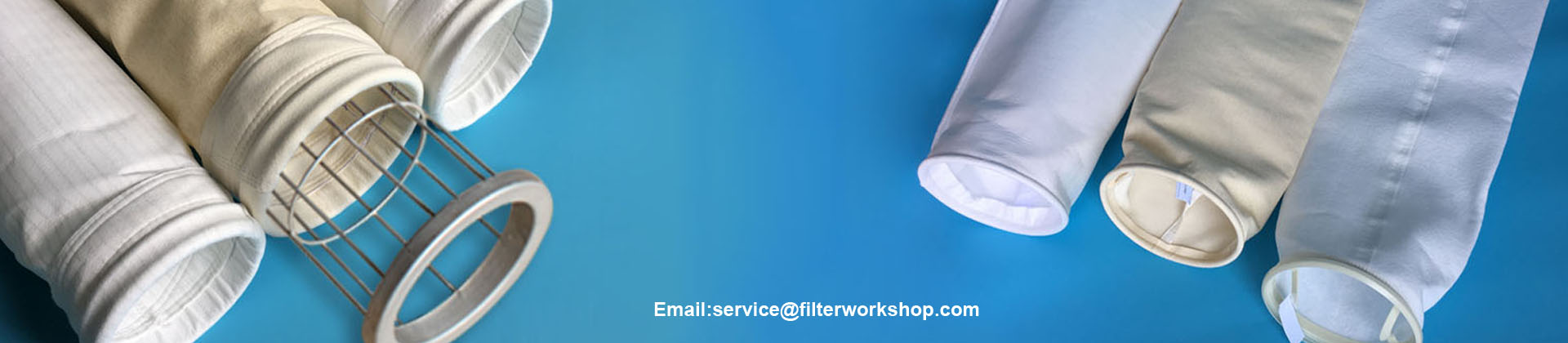
Industrial air pollution control has become a critical component of modern manufacturing. With increasingly strict environmental regulations and higher expectations for operational efficiency, industries such as cement, steel, and power generation rely heavily on high-performance dust collection systems. At the heart of these systems are industrial filter bags — essential components that capture particulate matter, protect equipment, and ensure regulatory compliance.
Filter bags play a vital role in maintaining clean air emissions while also recovering valuable materials and improving plant safety. This article explores the top industrial applications of filter bags in cement plants, steel mills, and power plants, highlighting filtration mechanisms, material selection, and performance considerations. 1. The Role of Filter Bags in Heavy Industry
Filter bags are used inside baghouse dust collectors, where contaminated gas passes through fabric media that traps solid particles on the surface or within the fibers. Clean air exits the system while dust accumulates and is periodically removed through pulse-jet or reverse air cleaning systems.
Key benefits include:
High particulate collection efficiency (up to 99.9%)
Compliance with emission standards
Recovery of process materials
Protection of downstream equipment
Improved workplace air quality
The design and material of filter bags vary depending on temperature, chemical exposure, particle size, and operating pressure.
Filter Bags in Cement Plants
The cement industry is one of the largest producers of industrial dust. From raw material handling to clinker cooling, nearly every stage generates particulate emissions. 2. Raw Mill and Crusher Dust Collection
During crushing and grinding of limestone and other raw materials, large volumes of dust are generated. Filter bags are installed in:
Raw mill baghouses
Crusher dust collectors
Conveyor transfer points
Filtration Requirements:
Medium to high dust concentration
Abrasive particles
Continuous operation
Moderate temperature range (typically 100–200°C)
Common materials used:
Polyester filter bags
Aramid (Nomex) for higher temperatures
Anti-static treatments when required
Proper air-to-cloth ratio design ensures stable pressure drop and extended bag life.
3. Kiln and Clinker Cooler Applications
Cement kilns operate at extremely high temperatures, and exhaust gases can carry fine particulate matter. Operating Challenges:
High temperature (200–260°C or higher)
Corrosive gases (SOx, NOx)
Fine dust particles
Large airflow volumes
To withstand these conditions, filter bags may use:
Aramid fiber (Nomex)
P84 (polyimide) fiber
PTFE membrane-laminated bags for ultra-fine particle capture
High-temperature resistance and chemical stability are critical to prevent premature degradation.
4. Cement Packing and Loading Systems
Final product handling also generates airborne cement dust during packing and bulk loading.
Filter bags in these systems must:
Capture fine cement powder
Operate at lower temperatures
Provide high filtration efficiency
Resist clogging
Polyester needle felt bags are commonly used, often with surface treatments to reduce dust adhesion and improve cleaning efficiency.
Filter Bags in Steel Plants
Steel production generates heavy particulate emissions from multiple processes, including smelting, sintering, casting, and finishing. 5. Electric Arc Furnace (EAF) Dust Collection
One of the most demanding applications in steel plants is dust control for Electric Arc Furnaces. Process Characteristics:
Extremely high temperatures
Metallic fumes
Fine particulate matter
Abrasive dust
Toxic components (heavy metals)
Filter bags must handle:
Temperature spikes
High dust loading
Aggressive chemical composition
Common materials:
Aramid (Nomex)
P84 blends
PTFE filter bags for maximum chemical resistance
In many cases, PTFE membrane-laminated filter bags are used to improve fine particle capture and reduce emissions below regulatory limits.
6. Sintering and Blast Furnace Applications
Sinter plants produce significant dust during raw material preparation and heating.
Filter bag requirements include:
Resistance to abrasive sinter dust
Stable filtration under continuous high airflow
Moderate to high temperature tolerance
Glass fiber filter bags are sometimes used in very high-temperature areas, while aramid blends are suitable for moderately high temperatures.
7. Secondary Dust Control and Material Handling
Dust is also generated during:
Slag processing
Coke handling
Conveyor transport systems
Here, polyester needle felt filter bags are commonly used due to:
Cost efficiency
Good mechanical strength
Adequate temperature tolerance
In areas with explosion risks, anti-static filter bags are required to prevent spark accumulation.
Filter Bags in Power Plants
Power plants, particularly coal-fired facilities, rely heavily on filter bags to control fly ash emissions. 8. Coal-Fired Boiler Exhaust Filtration
Coal combustion generates fly ash particles that must be captured before flue gases are released into the atmosphere. Operating Conditions:
High temperature flue gas
Acidic gases (SO2, SO3)
Fine fly ash particles
Continuous high-volume airflow
Common filter bag materials:
PPS (Polyphenylene Sulfide)
PTFE
Aramid blends
Glass fiber (for very high temperature systems)
PPS is particularly popular due to its excellent resistance to acidic environments and high temperature stability.
9. Biomass and Waste-to-Energy Plants
In addition to coal-fired power plants, biomass and waste-to-energy plants generate dust and ash particles.
Unique challenges include:
Variable temperature ranges
Corrosive combustion gases
Sticky particulate matter
PTFE membrane filter bags are often selected to ensure high filtration efficiency and reduced clogging.
10. Fly Ash Recovery Systems
Filter bags not only control emissions but also enable fly ash collection for reuse in cement production and construction materials.
Key performance requirements:
Key Factors in Filter Bag Selection
Across cement, steel, and power industries, selecting the correct filter bag depends on several critical parameters: 1. Temperature Resistance
Filter material must withstand continuous and peak operating temperatures. 2. Chemical Compatibility
Resistance to acids, alkalis, and corrosive gases is essential. 3. Abrasion Resistance
Heavy industrial dust often contains sharp particles. 4. Filtration Efficiency
Must meet emission regulations (often <10 mg/Nm³ or lower). 5. Cleaning Performance
Pulse-jet cleaning compatibility ensures longer bag life. 6. Mechanical Strength
Bags must resist tearing, stretching, and collapse.
Proper cage support design also plays a major role in extending filter bag life.
Benefits of High-Quality Filter Bags in Heavy Industry
Investing in premium filter bags delivers measurable advantages:
Reduced emissions and regulatory compliance
Lower maintenance frequency
Longer bag service life
Stable pressure drop
Reduced energy consumption
Increased operational uptime
For large-scale cement kilns, steel furnaces, or power boilers, even small improvements in bag performance can translate into significant cost savings annually.
Conclusion
Filter bags are indispensable in modern cement plants, steel mills, and power stations. From raw material crushing to high-temperature furnace exhaust, they ensure clean air emissions, protect equipment, and maintain operational efficiency.
Each industry presents unique challenges — high temperatures in cement kilns, metallic fumes in steel furnaces, and corrosive flue gases in power plants. Selecting the right filter bag material, design, and surface treatment is essential to achieving long-term reliability and environmental compliance.
As emission standards become stricter and production scales continue to increase, advanced filter bag technology will remain central to industrial dust control systems worldwide. Proper material selection, precision manufacturing, and optimized baghouse design together form the foundation of efficient and sustainable heavy industry operations.